
Breast Cancer Rehab
Because recovery doesn't end when treatment does.
Breast cancer treatment saves lives. But many of the physical side effects from surgery, radiation, and chemotherapy are often minimized, misunderstood, or simply not discussed. Left unaddressed, they can quietly impact comfort, mobility, and quality of life for years.
The reality is that surviving breast cancer and recovering from breast cancer are not the same thing.
Pain, swelling, heaviness, or tightness aren't things you simply have to live with.
As a Doctor of Physical Therapy and Certified Lymphedema Therapist, I want to help you address the symptoms that linger after breast cancer treatment so you can live more comfortably and feel at home in your body again.

Swelling and lymphedema — it's not just in the arm
Most people are told to watch for arm swelling after lymph node removal. But what is far more common is swelling in the breast, chest wall, armpit, and trunk—especially after radiation. These areas are frequently under-diagnosed and under treated, whose side effects can cause discomfort and pain that providers simply don't ask about.
Early monitoring and proactive care can:
Reduce progression of swelling
Improve tissue mobility
Minimize tissue changes, fibrosis and pain
Maintain cosmesis, symmetry and confidence
As a Certified Lymphedema Therapist, Mariel creates a treatment protocol especially for you, with a combination of manual lymphatic drainage, compression therapy and exercise to reduce swelling, improve comfort and make symptom management fit more easily into your life.

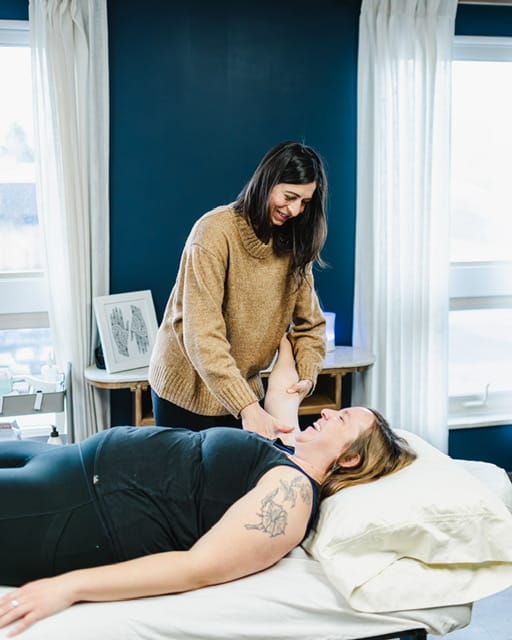
Shoulder stiffness and loss of range of motion
Side effects from surgery and radiation can impact shoulder motion—even months or years later. Pectoralis major & minor, latissimus dorsi, teres major, subscapularis and serratus anterior are all muscles commonly impacted by radiation treatment. Without guidance, it’s easy for stiffness and discomfort to slowly become your new normal.
With the right hands-on care and a simple, personalized movement program, you can:
Restore and protect shoulder range of motion
Prevent long-term limitations
Stay active in the ways that matter to you
A strategic mix of shoulder stretching and strengthening tailored to you will help you move with confidence and return to the activities that bring you joy.
Cording hides outside of the axilla
Axillary web syndrome, also referred to as cording, is a scar tissue that develops in the lymphatic system and is most commonly found in the armpit (axilla). It can cause discomfort as a burning, pulling, achey or sharp pains that show up in the arm, forearm, wrist, hand, ribcage, breast or even back.
Cords can also show up unpredictably- from post op to post radiation to years down the road. Stretches are typically very effective to keep discomfort at bay, but specialized massage and fascial decompression are very effective if cords are persistent.

Treatment Modalities
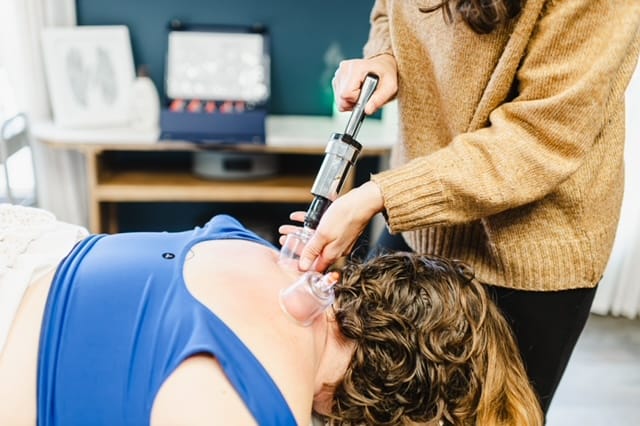
Massage, Soft Tissue Mobilization
Scar Tissue Mobilization
Trigger Point Release
Dry Needling
Myofascial Decompression
Cupping
PNF
Active Release
Manual Lymphatic Drainage
Exercise Prescription
Whether you are currently in treatment or years beyond it, pain is not something you have to accept as the cost of survival.
Your life after cancer deserves to feel whole, comfortable, and fully lived.
Help is here—for wherever you are in your journey.
What Our Clients Are Saying
Frequently Asked Questions
We do not bill insurance directly, but FSA and HSA cards are accepted for all services.
Our practice operates outside of insurance so we can offer a more personalized, unrushed experience—often at a lower upfront cost, especially for clients who haven’t met their deductible or out-of-pocket maximum. Traditional insurance-based care can come with hidden costs, shorter visits, and delays due to referrals or authorizations.
By not working directly with insurance, we’re able to:
Offer clear, upfront pricing with no surprise bills
Skip referrals and authorizations so you can begin care sooner
Provide longer, one-on-one sessions in a calm, private setting
Create treatment plans that are truly tailored to you
Offer a sliding payment scale when appropriate to support access
If you have out-of-network benefits, we’re happy to provide a superbill upon request. This can be submitted to your insurance company for possible reimbursement, depending on your plan.
If you have questions about payment options or want to talk through what feels right for you, don't hesitate to schedule a free introductory call and we would be happy to chat more about it.
Sessions can be purchased in 60 or 90 minute increments as single visits or in packages.
Sangha Yoga Members receive further discounts on all services.
To see our most recent prices and specials, click here.
No—a doctor’s referral is not required to receive physical therapy in Colorado.
This means you can schedule directly and begin care without extra steps or delays. If you’re experiencing pain, recovering from an injury, or simply want support moving better, you’re welcome to start whenever you feel ready.
If you’d like, we’re also happy to collaborate with your physician or other healthcare providers as part of your care.
Have questions or unsure where to begin? We’re always here to help guide you.
Comfort is key. For physical therapy and bodywork sessions, we often use hands-on techniques that require access to the skin. We recommend wearing comfortable, loose-fitting clothing, such as shorts and a strappy sports bra or tank top that allows for ease of movement and treatment.
For oncology and lymphedema sessions, a gown will be provided so you can feel comfortable, supported, and fully at ease throughout your visit.
If you’re ever unsure what to wear or have specific comfort needs, please don’t hesitate to reach out—we’re always happy to help you feel prepared and relaxed before your session.
We understand that the healthcare landscape is constantly changing, and rising premiums and out-of-pocket costs can make accessing care feel overwhelming. Our sliding scale is offered to increase access to care and reduce barriers, not create them.
To qualify, we simply ask for a brief, respectful conversation about your financial needs so we can agree on a rate that feels sustainable for both you and the practice. There’s no extensive paperwork—just an open, supportive discussion.
If you’re interested, please schedule an introductory call prior to your first session so we can talk through the details together.


